
Movement.Precision.Care. — Dr. Ali Naghilu
Orthopedic Surgeon Tabriz
Care for knee and hip pain, sports injuries and joint replacement, with clear explanations and support at every step.
Understand first, then decide; plain explanations and company until you recover.
Dr. Ali Naghilu is an orthopedic surgeon in Tabriz. From knee and hip pain to sports injuries and problems after a fracture or surgery, the aim is that you know what is wrong, what your options are, and what to expect at each step. Not every patient needs surgery; the choice of treatment follows an examination, a review of your scans and a conversation with you.
More about the doctorFrom non-surgical care to joint replacement.
Every patient has their own plan. The right approach is chosen after an examination and a review of your scans, and the simplest effective option comes first.
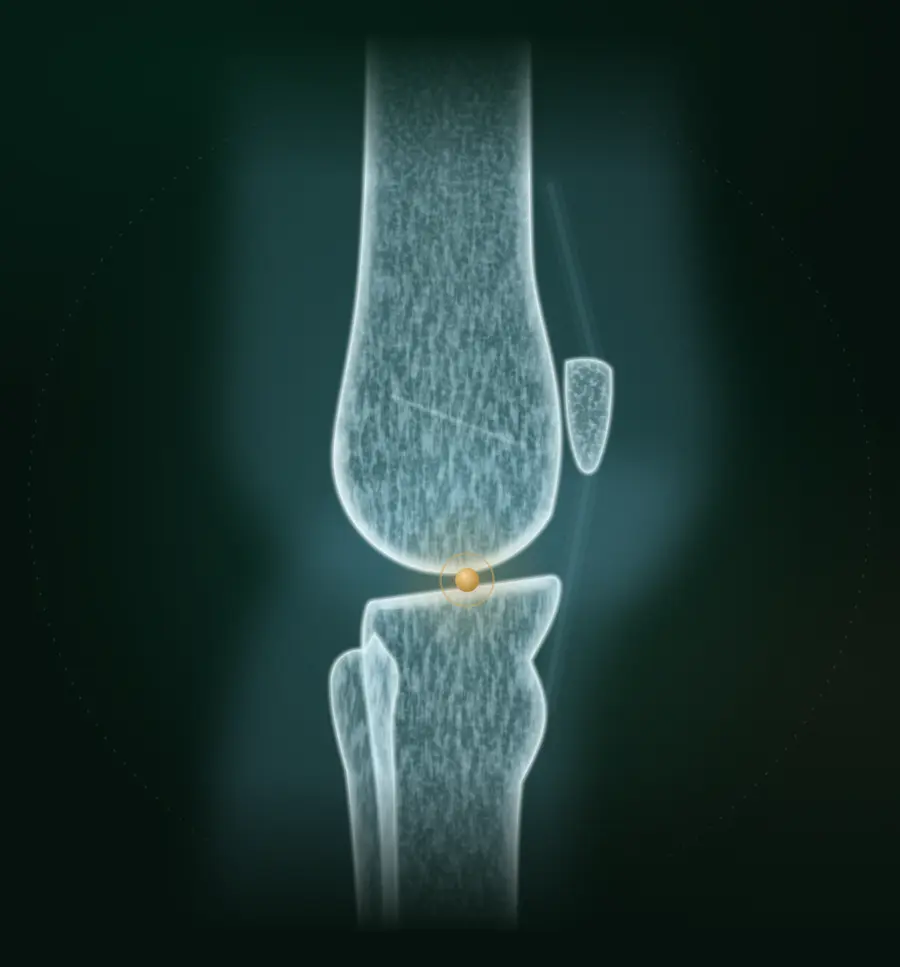
Knee replacement
When wear and pain in the knee do not ease with other treatments, a doctor may suggest a joint replacement. This page explains what the operation is, who it is for, how it is done, and what to expect afterwards.
Read moreHip replacement
If hip pain is disturbing your walking and sleep and other treatments have not helped, a doctor may suggest a joint replacement. On this page you can read about the steps, the recovery period and the care after the operation in plain language.
Read moreArthroscopy (keyhole joint surgery)
Arthroscopy means looking at and treating the inside of a joint with a thin camera and small instruments through tiny cuts. On this page you can read what problems it is used for, when it does not help, and what to expect afterwards.
Read moreSports injuries (ligament and meniscus)
A torn cruciate ligament and a torn meniscus are among the most common knee injuries in athletes. On this page you can read what the signs are, how it is diagnosed, that not everyone needs an operation, and what to do after an injury.
Read moreNon-surgical treatments
Much knee and hip pain can be managed without an operation. On this page you can read about the usual options, such as exercise, weight loss, walking aids and injections, and when it is time to think about surgery.
Read more
From the first conversation to moving again
Five steps, one after another. At each one you know what comes next and why.
- Step 1 of 5.
Examination and conversation
At the first visit the doctor asks about your pain, history and medication, examines the joint and answers your questions. Bring earlier reports and scans.
- Step 2 of 5.
Imaging and tests
Depending on your complaint you may need an X-ray, an MRI or blood tests to find the cause of the pain. Sometimes your earlier scans are enough.
- Step 3 of 5.
Deciding on treatment
Not everyone needs surgery. Depending on the problem, medication, exercise and physiotherapy are sometimes enough. The doctor explains the options and you decide together.
- Step 4 of 5.
Surgery, if it is needed
If surgery is needed, you are told beforehand what it involves, the anaesthetic and the possible risks, and you go through the preparation together.
- Step 5 of 5.
Rehabilitation and follow-up
After surgery or an injury, moving the joint and guided exercises are a big part of recovery. Regular visits and the support team stay with you.
You are not alone on this path.
Treatment is more than visits and surgery. From post-operative care and services at home to tests, scans and medicines, the support team coordinates the details so you and your family can focus on recovery.
Post-operative care
Nursing and wound care after surgery, arranged for you.
Treatment and rehabilitation at home
When getting out is hard, part of treatment and rehabilitation comes to you.
Free transport with the support vehicle
Patient transport in a dedicated support vehicle, at no cost.
FreePharmacy and specialty medicines
Help getting specialty medicines, with delivery for Tabriz residents.
Imaging and fast results
Quick appointments and results, second reads of images, and reports sent to your doctor.
Lab tests and blood sampling at home
Quick lab appointments and results, with the support team following up on your results.
Fast referral to specialists and sub-specialists
If you need another doctor, the support team arranges the appointment and referral.
Rehabilitation and wellbeing
Quick appointments and referrals to rehabilitation and health specialists, arranged by the support team.
Services marked "Free" are provided at no cost.
Find your problem.
Tap the complaint closest to yours to reach the matching treatment page. If yours is not listed, call us for guidance.
Simple answers to the first questions.
Do I need a referral for the first visit?
It can depend on your insurance and the treatment center. Ask the support team when you book; if one is needed, they will tell you.
What should I bring to the first visit?
Imaging reports and files or films (X-ray, MRI, CT and so on), records of earlier treatment, surgery or fractures, recent tests, a list of the medicines you take, your insurance booklet and ID. If something is missing, come anyway; support can help you get it.
Do I definitely need surgery?
Not always. Many joint pains improve with medicines, exercise, physiotherapy and changes in daily activity. Surgery comes up when those have not been enough, or when an injury will not heal without it. The decision follows an examination, a review of your scans and a conversation with you.
When can I walk after surgery?
It depends on the operation and on each patient. After some operations, moving the joint starts early with the team's guidance; after others you must avoid putting weight on it for a while. Your doctor and physiotherapist will set your plan.
How long does an artificial joint last?
No fixed number can be given. How long an implant lasts depends on age, weight, activity, the type of implant and care after surgery, and it differs from person to person. The doctor will explain what applies to you at the visit.
Do you work with insurance?
The list of insurers will be announced soon.
These answers are general and do not replace your doctor's advice for your situation.
The first step, a calm conversation.
Book an appointment or talk to support. Either way, we are with you.
Support number